The Angus Lawson Memorial Trust (ALMT) Grant Making Guidelines [1]
The Trust supports projects engaged in improving the quality of life for children and young people in the UK and overseas, enabling them to hope for a brighter future. Historically the ALMT has funded a wide range of projects across our priority areas (see below). In 2023, we funded a total of 33 projects and we aim to support an even balance of projects in the UK and across the world. We recommend familiarising yourself with the projects on our website to get a flavour of the type of projects we fund.
The ALMT is interested in early intervention projects which address the root causes of inequality. We are looking for innovative and creative solutions to proven problems and select projects with clearly identified objectives where the outcomes can be monitored and evaluated. Projects that effect longer term change for the most disadvantaged young people ensure a positive impact for children and a high social return on any investment made by the Trust and its Donors.
Funding is prioritised for solicited applications from grassroots partners, which have an average annual income of no more than £1,000,000 over a five-year period. If your income is above this level, we recommend contacting us prior to making an application.
Organisations new to the ALMT can apply for an annual grant between £3,000-£25,000, though it should be noted that most grants are below this upper limit with an average in 2023 of £14,839. Existing partners may be able to apply for up to 3 years funding. We recommend a discussion with the team before applying to discuss grant size and eligibility for multi-year funding.
Applicants must be registered charities or Charitable Incorporated Organisations with representation in the UK. The ALMT will consider applications from schools and school PTAs in the UK where funding will support disadvantaged children’s learning outside school and benefit the wider community.
Definition of Children and Young People:
The ALMT will provide funding for children up to the age of 18. Young people up to the age of 25 may also be eligible if they are considered vulnerable, for example, they may be care leavers; young offenders; homeless or at risk of homelessness; have had a teenage pregnancy; or have a disability or Special Educational Need. Please note that this list is not exhaustive. Please contact the ALMT if you have a specific enquiry about eligibility.
We are interested in supporting the following areas:
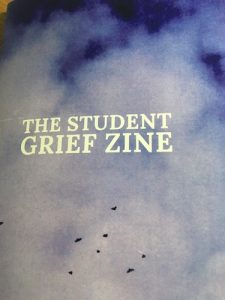
- Bereavement and palliative care for families, adults, children and young people
- Projects/initiatives that enable disadvantaged/vulnerable children and young people to participate fully in society and increase social mobility
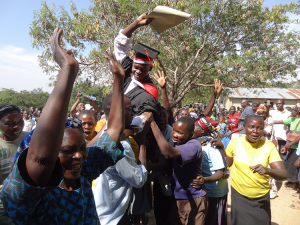
- Educational scholarships and learning support for children and young people
From time to time, our Board may also express a wish to focus support on other particular areas or on a specific cohort of children.
.
We work with partner organisations directly involved in project implementation. We will not consider applications requesting support for the following:
- We do not fund grant-making bodies to make grants on our behalf.
- Construction
- Research
- The promotion of religion
- Party political activities
- Disproportionate overhead and management costs (guidance can be provided if required).
How to apply for a grant:
Interested organisations should contact the ALMT with their project ideas so that the ALMT can assess suitability prior to completing an application. Should you be invited to apply, grant submissions are in three stages (see below).
The ALMT Team will advise on timings and work with applicants to develop their proposal prior to the second stage of the process and will request additional information on policies and procedures where appropriate (for example: HR policies; diversity; the environment).
First stage – Applications must include:
– A completed first stage application form (available from the ALMT Grants Officer)
– An outline of your proposal on no more than 2 sides of A4
– A detailed project budget showing what costs you will incur whilst achieving the project aims.
Please attach:
- A copy of your organisation’s most recent accounts (or an income and expenditure budget for the current year if your organisation is new)
- A copy of your organisation’s safeguarding policy and procedures.
Please use the following headings to structure your proposal:
- A brief description of your organisation’s aims
- An explanation of the need for the project and any evidence you have to support this.
- A description of the project for which you are seeking funding, how does it address the need?
- The outcomes/ impact of the project – what difference will the project make to the children, young people and/or families?
- The beneficiaries of the project (outputs) – what will the project actually do? How many people will join in? How will you measure success?
Please contact the team at the ALMT if you have any queries about the proposal and budget.
Second stage – Referral to a member of The ALMT Partnerships Committee:
- If you are successful in your first stage application, your charity representative will normally be contacted to arrange a time to meet and discuss your application with a member of the ALMT Partnerships Committee.
Third stage – Decision:
The ALMT board of trustees meets to make decisions three times per year around February, June and October. The trust will contact you promptly after the decision has been made.
Reapplication
Should your application be unsuccessful you are able to request feedback and can reapply to the Trust for a different project.
Partner organisations can reapply for the same, or a different project, for a consecutive period of up to four years. Should funding have been received for four years in succession, partner organisations should wait for a period of two years after submitting their final project report prior to reapplying.
Please contact the ALMT if you have any questions about the application process: admin@almt.org
[1] These guidelines were approved at the Trustees Meeting on 28 February 2024 and are reviewed annually.